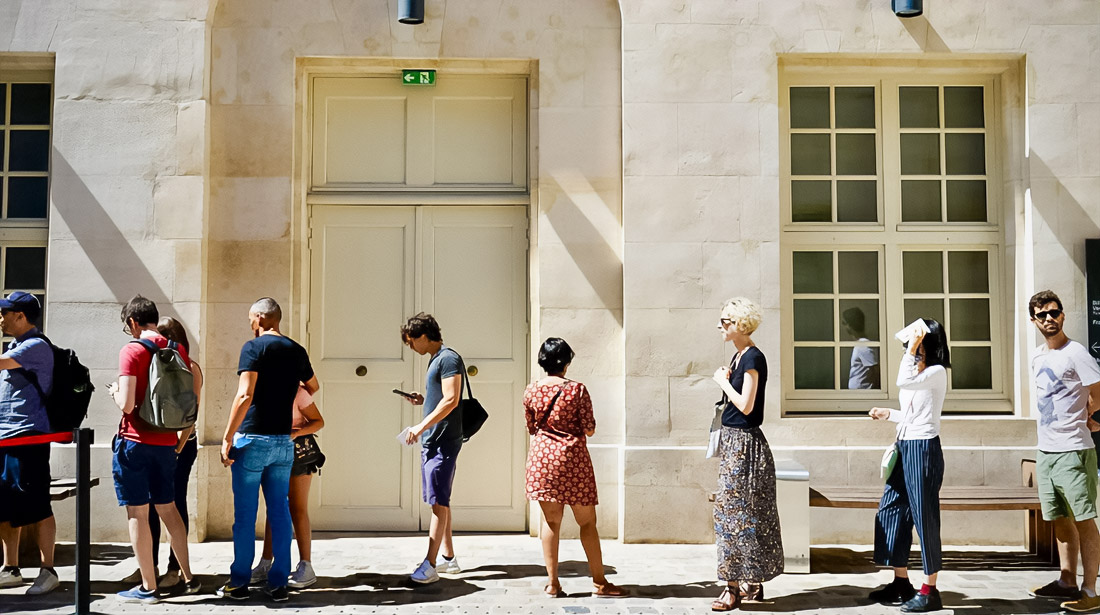
In government service centers, people come not only for help or service.They bring with them expectations, past experiences, and a level of trust in the state. Queuing in a hall is not just a technical process, but a moment of truth, where it becomes clear how honest, transparent and able the system is to respect the citizen’s time, especially when their perception is shaped by everyday interactions and customer journey management.
Why Queue Fairness Is Important
An unfair queue destroys trust faster than any official report. When someone passes “without waiting in line”, when the waiting time is dramatically different for similar requests, citizens feel deceived. Therefore, equity metrics are not an abstraction, but the basis of sustainable trust. It is important to measure not only the average waiting time, but also the spread: how much the minimum and maximum values for the same services differ. If one person waits ten minutes and the other waits forty minutes for the same reason for the visit, the system is perceived as chaotic. A fair queue is when priorities are clear, rules are transparent, and allocation algorithms don’t look arbitrary. A citizen needs to understand in advance how long he will wait approximately and why exactly that much.
KPIs That Shape the Citizen Experience

There are many indicators, but the citizen intuitively feels only a few key ones. Firstly, it is the average waiting time before the start of the service. Secondly, predictability: whether the actual delay coincided with the promised “approximately twenty minutes”. Thirdly, the proportion of people who leave without waiting for their turn. The increase in such departures is a clear signal that the system is overloaded or the communication is built incorrectly. There is also an indicator of the first performance how many requests can be closed in one session, without repeated arrivals and additional inquiries. The higher this percentage, the less time, nerves and money a citizen has to spend on travel. Another important aspect is the uniformity of the load between days and hours. If the queue is full in the morning and the halls are empty after lunch, it means that demand management and appointment management are poorly organized.
How Technology Is Changing the Work of the Centers
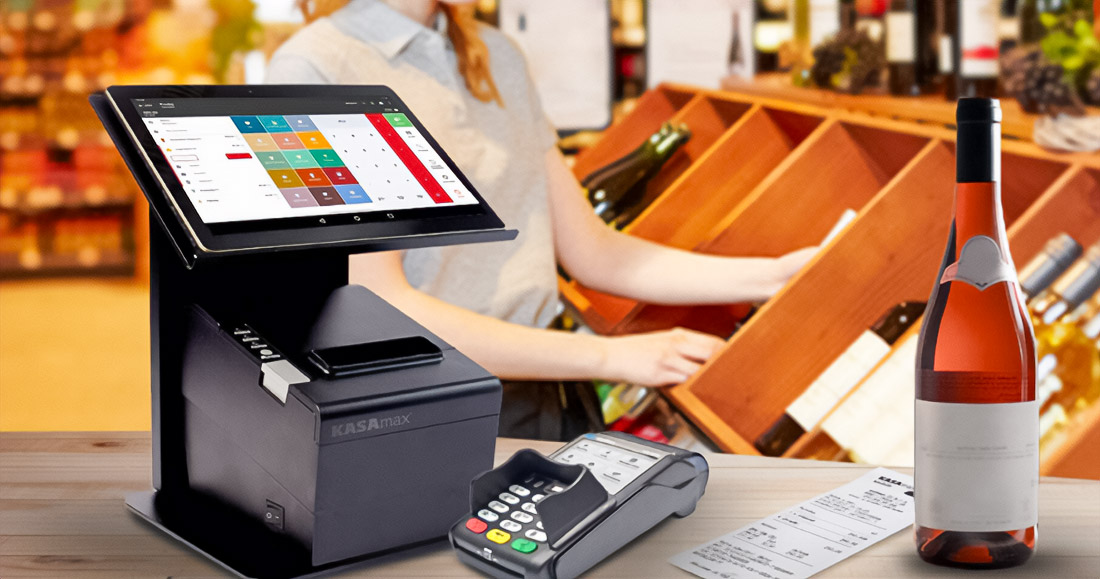
Modern queue management systems allow you to measure almost every step of a citizen’s journey. The time of receipt of the coupon, the start of the service, the duration of the contact and the time of completion of the service are recorded. Monitoring panels are built on this basis, showing in real time the length of queues, window loading, average waiting time and the number of people who have left. Next, forecasting algorithms are connected, which are able to see the impending peak in advance and propose a staff reallocation. Digital channels such as online recording and remote queuing relieve waiting rooms and reduce subjective irritation.
A person can get a room while at home, see their progress, and arrive closer to real-time service. It is important that these solutions do not turn into a closed “black box”. Citizens should understand the principles by which the system puts them in line, what factors affect priority, and why sometimes the wait is longer. Transparent rules, clear KPIs, and clear visualization make technology an ally, not a source of suspicion. Then each visit to the state center becomes not a test of patience, but a predictable, orderly and truly fair process.

I am an Administrative Assistant with eight years of experience working alongside the executive team of a Fortune 500 company.